Tree Nurseries
Nurseries represent a starting point of regional agroforestry systems, as sites of genetic experimentation and agroecological care.
Agroforestry capacity grows when nursery capacity grows, and nursery capacity grows when cooperative relationships grow.
A coordinated, collaborative nursery sector is essential to any large-scale agroforestry future.
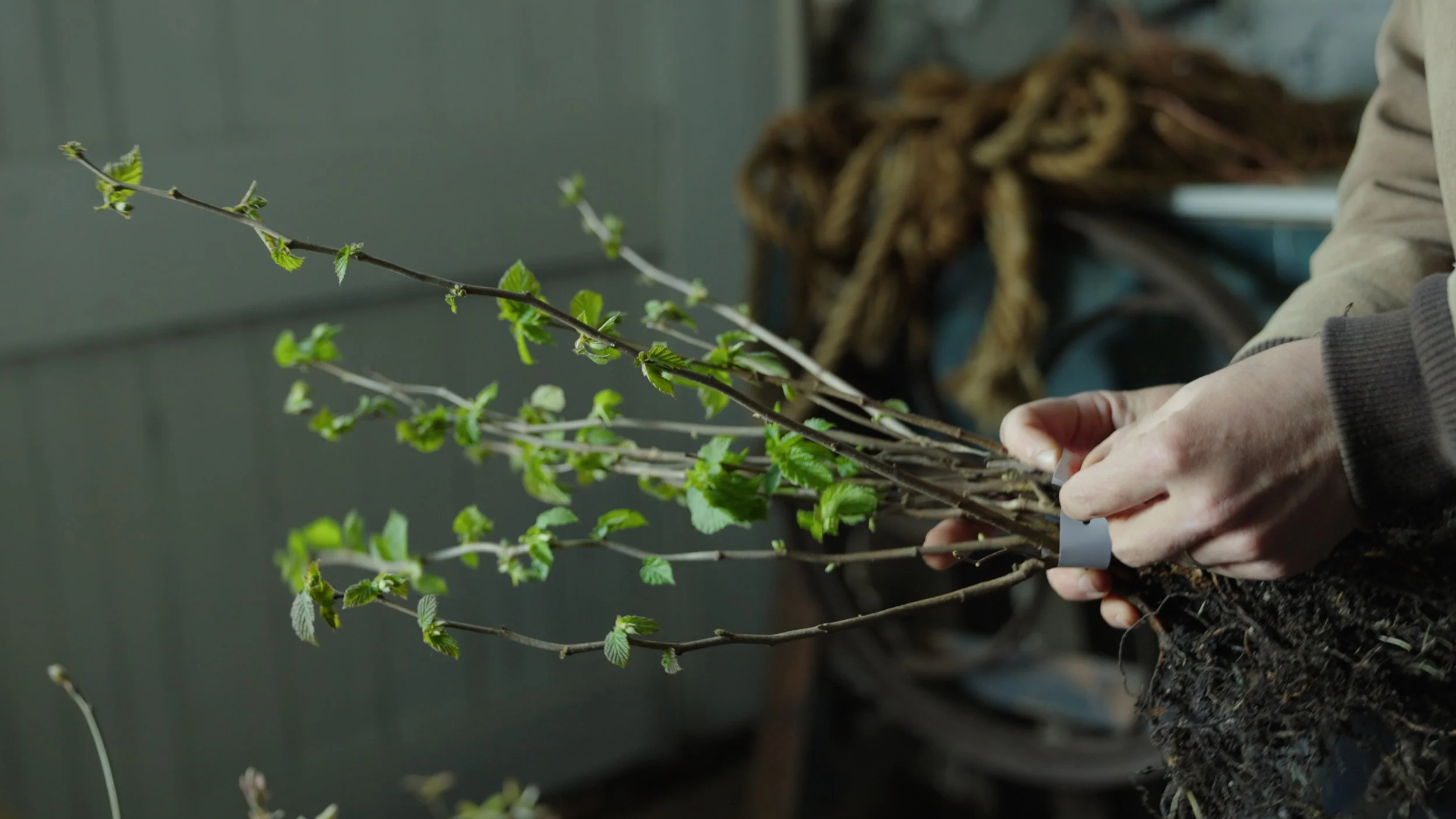
From our work with nurseries so far, three key priorities have emerged as we seek ways to support more coordinated and cooperative efforts:
shared knowledge (skills, info, and standards for how to grow, price, and grade trees)
shared germplasm (offering plants, seeds, and scion to each other)
shared repositories (collaborative organizations and infrastructure for selection/distribution and commons-held repositories of tree crops so genetic material isn’t lost and equitable intergenerational care is entrusted)
Draft Nursery Standards
After interviewing and talking with dozens of ecologically oriented nurseries, we drafted a list of practices, values, and commitments that define an ecologically-focused nursery:
Feed the soil with “outrageous diversity” (agroecology principles)
Imitate soil-building practices associated with organic, regenerative, and sustainable agriculture:
1. Know your context;
2. Keep the soil covered
3. Minimize soil disturbance;
4. Encourage biodiversity;
5. Maintain living roots; and
6. Integrate livestock
Focus on carbon-rich mulches that integrate mycelium
Eliminate free-flowing toxic chemicals and minimize embodied toxins (e.g. plastic)
Propagate with a deep understanding of the material you’re working with
For example, evaluate and document trees for three years before propagating so you know their life cycle, variability, and consistency
Learn skills of selection so you can perform your own analysis and opinion about the most important germplasm
Prioritize “consistent heavy bearing” (because of the embedded traits that enable abundance), along with harvestability, processability, and diverse flavors
Favor reliable plants that don’t require tons of care over ones that are “perfect varieties”
Choose seedlings and improved varieties with a spectrum of criteria between human and animal use: “the improved stuff only really matters once you introduce humans”
Balance “avante garde and ancient”
Preserve known improved varieties but embrace the importance of diversity that comes with seed
Tell accurate and honoring stories about the sources of the seed: recent breeding work and also origins in traditional ecological knowledge
Share standards for growing and grading seeds and seedlings
Coordinate with others on selection skills so nurseries collaboratively grow the quality of their offerings
Evaluate plants based on selection criteria above and a spectrum from “forest grade” for wildlife and woodlands to “orchard grade” for food production
Distinguish between field ready, nursery grade, and cuttings so growers can determine viable options for planting now, growing out for a season, or establishing new nurseries
Structure work with fairness and long-term vision
Pay living wages and distribute benefits equitably [Planting Justice standards]
Care for yourself and others and combine strengths so you’re not spread too thin
Know your personal and organizational ethical and agricultural standards before scaling
Consider cooperative and community-held models for generational work like nurseries and agroforestry
Respect the plants and make them accessible
Make plants as affordable as possible
Consider sliding scale systems where applicable
Establish “tree gleaning gift streams”
Remember that we work with living sensing beings with their own will and integrity